By Ibanga Isine
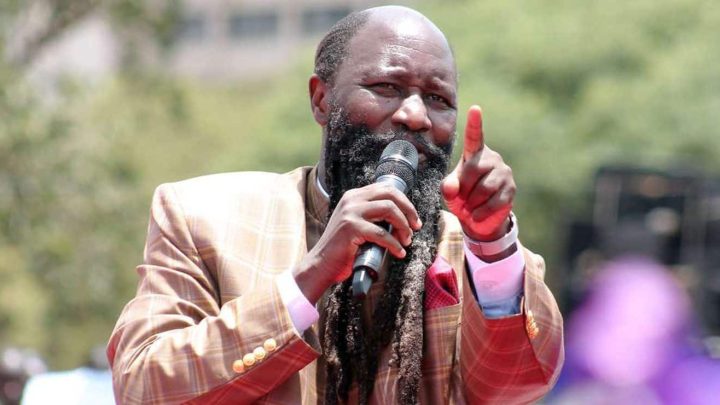
When news broke that controversial Kenyan preacher Prophet David Owuor was planning a crusade in Akwa Ibom, the reaction was quick and divided.
While some religious leaders applauded the development, a segment of the public became concerned, particularly since it coincided with another contentious crusade that was eventually cancelled. I do not want to interrogate the cancelled crusade. It is best to let the sleeping dog lie.
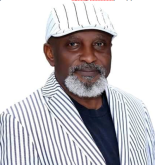
Findings showed that the Owuor crusade was organised by a respected religious leader, Archbishop Helen Esuene, in collaboration with the Christian Association of Nigeria (CAN) and the Pentecostal Fellowship of Nigeria (PFN) in the state.
What is unclear is whether the planners were aware of the controversy around the god of Man, or the man of God. Perhaps if CAN and PFN had contacted their counterparts in Kenya, where Owuor’s actions frequently triggered national debate and regulatory scrutiny, they would have thought twice about importing the scandal into the state.
The Trail of Poor Reputation
In Kenya, Prophet David Owuor is well-known not only as a preacher but also as a contentious religious figure. Owuor, the founder of the Ministry of Repentance and Holiness, often referred to himself as the only true prophet and miracle worker on earth. His followers worship him and have been known to perform acts of devotion that some Kenyans consider extreme, such as sweeping highways before his convoy passes.
You can also read: Meet Victor Antai, Nigerian Politician Who Places Conscience Above Loyalty
His ministry’s miraculous claims, particularly those involving HIV/AIDS, have attracted the most scrutiny. TV47, one of Kenya’s most reputable television channels, investigated multiple high-profile healing testimonies given during his crusades.
According to a TV47 reporter, attempts were made to stop the investigative report from airing when the channel discovered inconsistencies between the testimony of people claiming to have been healed and official hospital records.
In one case, a man named Peter Oyang claimed he had been cured of HIV after being diagnosed at Rumuruti District Hospital. However, TV47 pointed out that the unique patient number he supplied did not belong to him, and the Comprehensive Care Clinic (CCC) number was for a different patient, a woman According to TV47, doctors at the hospital confirmed that Oyang was never diagnosed with HIV at the facility.
Documents he submitted as verification of subsequent negative test results were reportedly rejected by the health facilities that allegedly issued them. TV47 identified the hospital card as having “serious distortions,” including cancellations and altered number sequences.
Another story featured Rebecca, a 27-year-old woman who claimed to have been healed of HIV after her mother contacted the prophet. When asked to show the message, she reportedly changed the story to say that the mother emailed the prophet through her pastor, who replied, “It is well.” She then claimed that her medical record had been closed by Kenya’s National AIDS and STI Control Programme (NASCOP).
When TV47 made contact, NASCOP explained that it does not “close” patient files and that once a patient tests positive, the approach is to begin treatment rather than test for evidence of healing.
Rebecca’s case was reportedly one of several publicly endorsed by doctors at a crusade in Nakuru, as reported by The Nation, one of Kenya’s top newspapers, causing nationwide debate. Apart from the miracle claims, Owuor is also said to have predicted the end of the world on August 2, 2025, which did not occur.
How Medical and Church Authorities Reacted
The Kenya Medical Practitioners and Dentists Council (KMPDC) reacted when medical doctors at Nairobi’s Moi Teaching and Referral Hospital endorsed miracle claims.
The Council cautioned that doctors who publicly validated such healings without scientific evidence would face disciplinary action, including license removal. The KMPDC expressed concern that vulnerable patients may reject life-saving treatment owing to unverified claims.
The National Council of Churches of Kenya (NCCK) responded to the issue as reported by Citizens Digital. NCCK National Chairman Rev. Elias Otieno warned against elevating individual preachers to a position of divine authority.
“We believe in faith healing, but it is God who heals—not pastors. Nobody should be denied access to established medical treatments for their health. Those claiming otherwise are acting irresponsibly,” Otieno said.
He further warned, “Some churches operate independently and are not under any regulatory umbrella. If one pastor practices one thing and another does something different, it creates disunity and weak oversight.”
These are not voices that can be ignored. They represent Kenya’s major regulatory and church leadership structures.
“You Can Have Him”
In the course of this investigation, I reached out to some of Kenya’s most respected investigative journalists for perspective. The response was telling.
At the mention of the proposed Akwa Ibom crusade, several of them burst into serious laughter. One senior journalist remarked, half in jest but pointedly, “If Nigeria wants him, we will gladly donate him. Maybe you can save us from fake miracles and endless crusades.”
Another joked that exporting the controversial prophet might qualify as Kenya’s most successful non-traditional export.
The humour was unmistakable, but so was the underlying tiredness. For many Kenyan journalists who have covered the repeated controversies, miracle claims, regulatory probes and public outcry, the subject is no longer amusing.
Talking About Responsibility
Beyond healing controversies, Owuor has faced criticism over prophetic declarations that failed to materialise. He reportedly prayed for Venezuelan President Nicolás Maduro and declared that he would not be “touched” by America. Events later contradicted that prophecy when Maduro was dramatically removed from the Presidential Palace amid the country’s political crisis.
Prophecy, like medicine, requires examination when outcomes are sharply different from pronouncements. Akwa Ibom is a deeply spiritual state with lively churches and committed believers.
But faith does not exist in isolation from responsibility. When prophetic claims involve life-threatening conditions like HIV/AIDS and cancer, the consequences of misinformation can be irreversibly catastrophic.
You can also read: Former ADC Boss Says Nigeria Can Reclaim Its Place as Africa’s Aviation Hub
If respected media organisations like TV47, leading newspapers such as The Nation, Citizen Digital, the NCCK, and Kenya’s medical regulatory authorities have raised red flags, it is important to ask whether CAN and PFN in Akwa Ibom sought structured engagement with their Kenyan counterparts before endorsing the crusade.
The bible instructs us to test the spirits; do CAN and PFN not study that part of the scriptures? Investigative journalism is based on a basic principle: verify before you amplify. This concept applies not only to newsrooms but also to pulpits.
Let us grapple with the crisis between the Akwa Ibom APC and the APC of Akwa Ibom and not import a questionable prophet to add to our worries. May his visa never be issued in Jesus Name. Amen!